PTSD Resolution - News article
ID: 260726
Castle to Castle
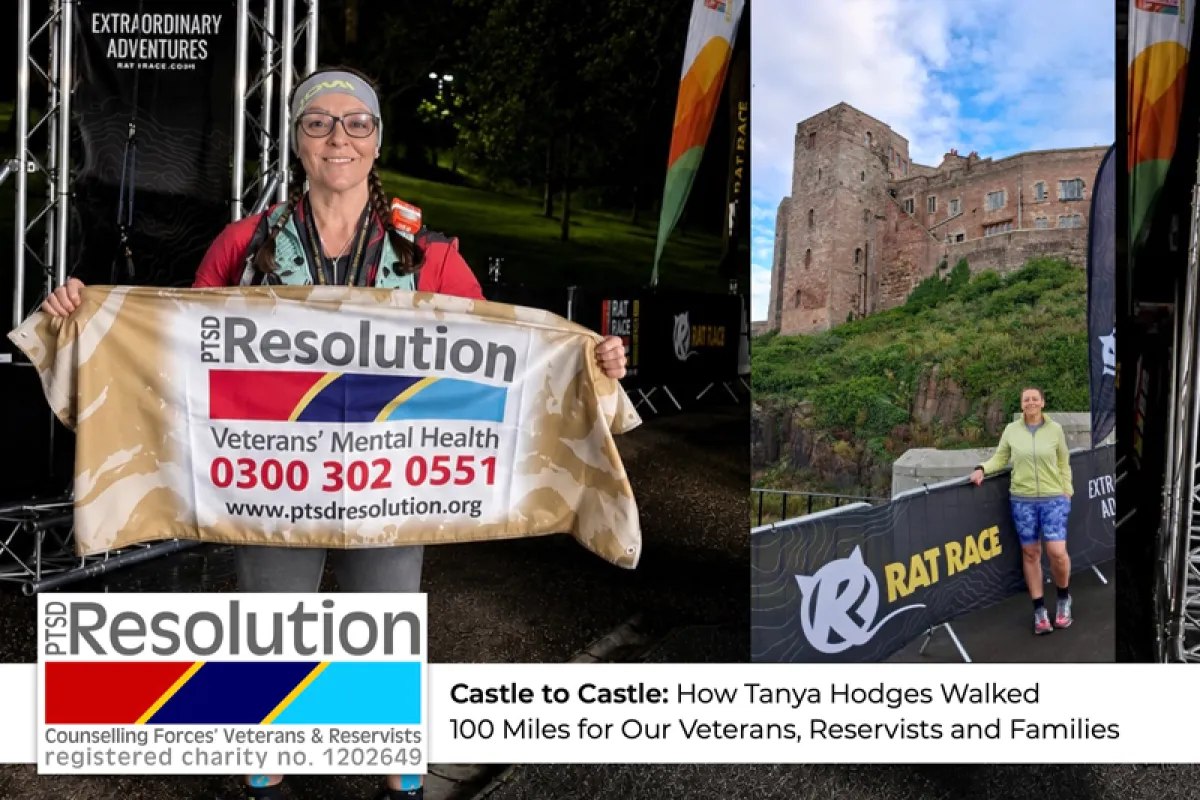
At 1.50am on Monday 6th July, a lone figure crossed the finish line beneath the floodlit walls of Edinburgh Castle. Tanya Hodges had been on her feet for nearly 43 hours, walking and running 100 miles from Bamburgh Castle in Northumberland, through two nights and one relentless headwind, without stopping to sleep.
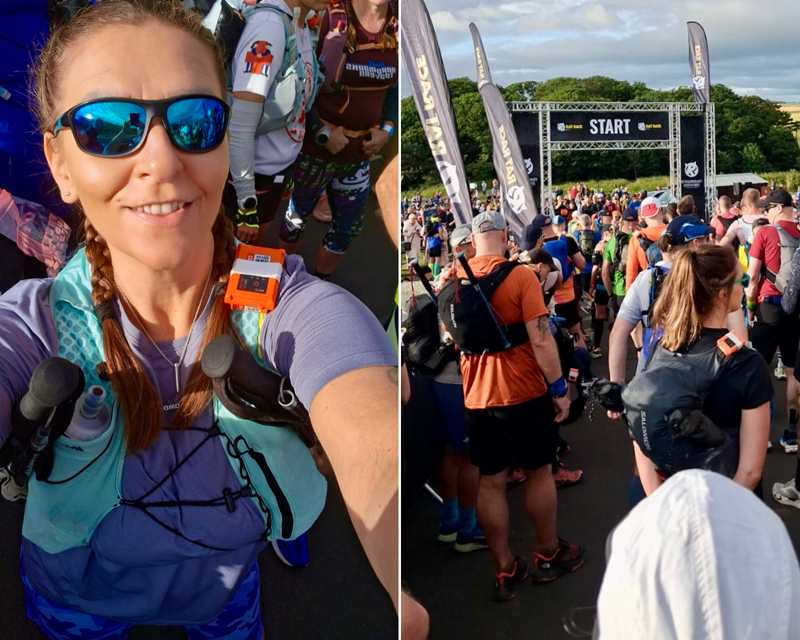
It was, by some distance, the hardest thing she has ever done. It was also, by her own account, worth every blistering mile.
A decade of determination
Tanya has been an avid supporter of PTSD Resolution since 2018, when she first contacted the charity while designing a training course for aviation security staff at Gatwick Airport. Many of her delegates were former military or police, and she wanted to be sure the information she gave them on PTSD was accurate. Following that, Tanya decided to try her hand at raising some money. Eight years and more than £10,000 later, that small gesture has become a defining part of her life.
Kilimanjaro. Everest Base Camp. Multiple 100-kilometre ultra events. Tanya's fundraising CV reads like a bucket list assembled by someone with no fear. But this year, she wanted to go further than ever before, both literally and figuratively.
The challenge
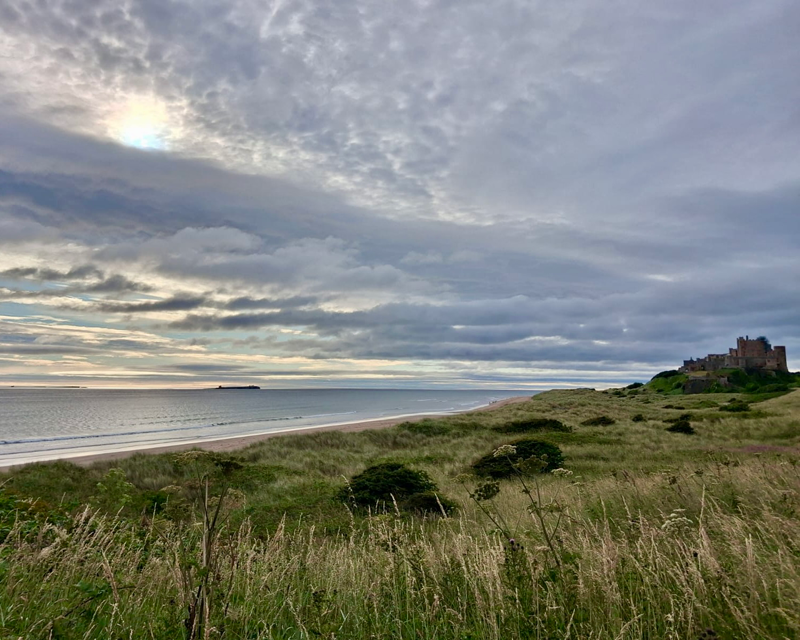
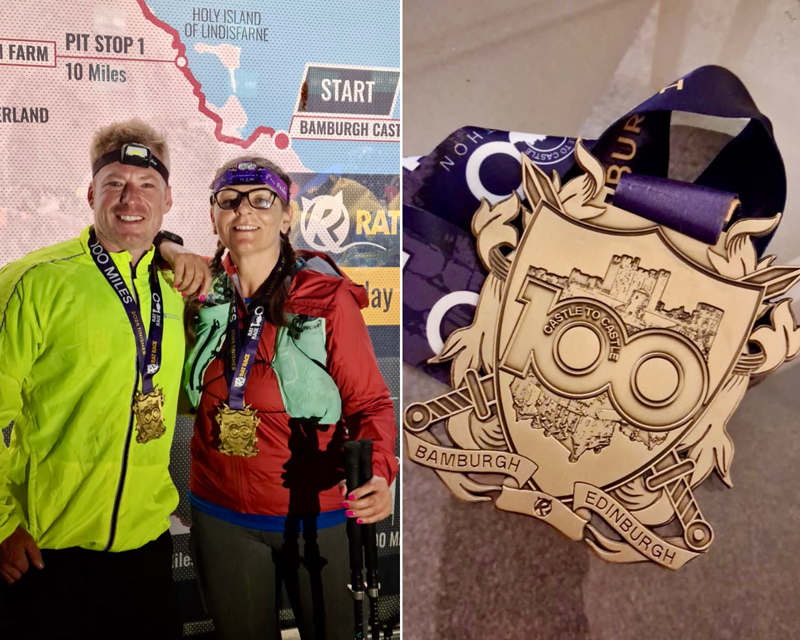
Her chosen event was the Rat Race Coast to Coast: a 100-mile continuous challenge from Bamburgh Castle to Edinburgh Castle, crossing the England-Scotland border along coastal paths, quiet harbour towns and stretches of golf course, with a 48-hour cut-off.
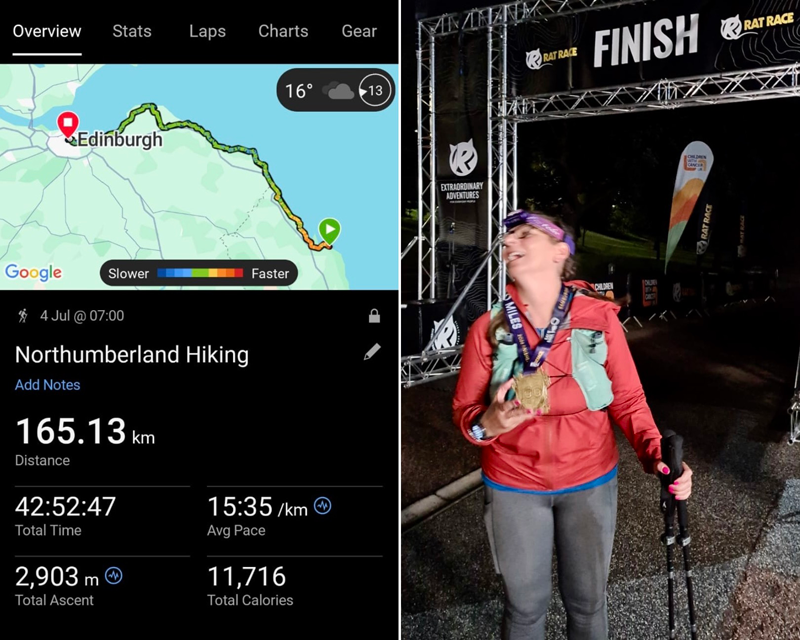
Tanya finished in 42 hours and 50 minutes of moving time, with just over four hours spent at checkpoints. She had hoped for 40 hours. Strong winds, a flare-up of tendonitis in her ankle and sheer exhaustion added a little to her time. So far, she has raised almost £3,000 for the Veterans and families supported by PTSD Resolution, comfortably passing her target.
In conversation with Tanya
A few days after crossing the line, still recovering, she spoke to us about the walk, the wobbles - and why she keeps doing this:
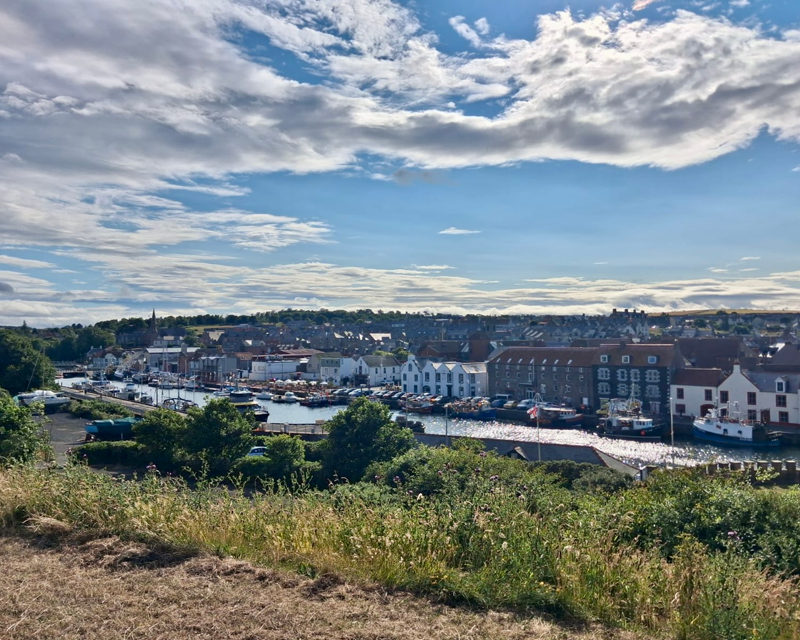
"This was my first 100-mile event, and I knew it was going to be challenging in different ways. The route takes you across coastal paths, inland areas and residential parts, going through quaint harbour towns, many golf courses and lots of holiday homes. There were checkpoints every 10 to 14 miles, and the option of four drop bags to replenish clothing and snacks. My plan was to power through and not use one of the checkpoints to sleep.
"The route was mostly well signposted, but because of the wind it wasn't always easy to see the markers, and a couple of times I went off course and had to backtrack, or climb a fence. I crossed the line at 1.50am on Monday morning, making my total time on course 42 hours 50 minutes. It took a little longer than I'd hoped, but I'm happy with the outcome."
"To see if I could go further than ever before to raise money for our Veterans. I liked the concept of walking castle to castle, and going across two different countries. I've managed to raise just shy of £3,000, which is wonderful."
"Excited, but obviously nervous too. I'd done various training hikes and runs, spent time on my feet, but I'm not sure you ever feel truly prepared. I was comfortable packing and knowing what I needed to keep me going through the 100 miles. I'd also spent time on some mental training, visualising the finish line."
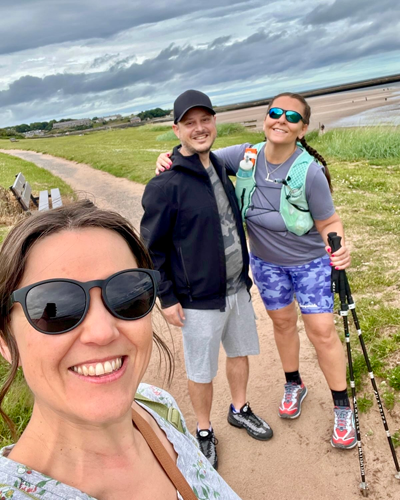
"The kindness I encountered on the course. Not just from volunteers at the checkpoints, but random strangers on the street; people who camped outside their houses offering sweets and water, and I even got handed sponsorship money on the street. Watching the sun rise over the sea on the second day was very special and humbling. I saw some friends en route, which was a lovely surprise, and there were Vegemite and cheese sandwiches, and a cup of tea, just when I needed them. Puffins and bats too."
"The sleep deprivation was hard. In the last few hours I had hallucinations, hearing and seeing things that weren't there. The constant headwind made things harder, as I was battling against it the whole way. I lost my headphones at mile 33, so had no music or podcasts to help pass the time. I spent a lot of it alone with my own thoughts. I also developed acute tendonitis pain in my ankle at mile 80, and had to stop and tape it up fully, which got me to the finish."
"Around mile 80, when the tendon pain started and I knew I'd slowed right down, I had a brief thought: what if I can't go on. Medicating and taping helped a lot. The last 20 miles were tough mentally, going into a second night with no sleep and getting cold. I had to really dig deep, especially once it started to rain and I was alone."
"Reading the supportive messages people had sent really bolstered me, and letting the volunteers help me at the checkpoints. It helped knowing so many people were with me virtually. I stumbled into checkpoint 9 at 93 miles, wet and crying. A wonderful volunteer sat me down, gave me tea, and I headed out for the last seven miles."
"That it was finally over. Surreal to think I'd walked 100 miles - well, 105 on my watch."
"Taking my shoes off, and a cup of Earl Grey tea. And just being out of the wind."
"After the event I stayed in an apartment in Edinburgh until Wednesday, and my friend Sarah had flown up to look after me. Initially I was just trying to get some sleep, which wasn't easy - your body's systems have been through extreme stress. I was tired but wired. Lots of salt baths, cups of tea, eggs and gentle movement. On the Tuesday we got an Uber to the Royal Mile, where I treated myself to a framed picture I'd spotted back in March - I'd promised myself I'd go back and buy it if I finished. Then a tapas bar for lunch and a celebratory glass of wine. Since being home I've had a sports massage, been stretching, and walking three miles each morning to loosen everything up."
"Yes, absolutely. It was a very well-run event, fully marked, with generous cut-off times. The volunteers really are incredible, and you feel very looked after. Plus lots of good snacks at the checkpoints."
"Ooh, the million-dollar question. For now I'm just relishing the achievement, but no doubt something will be in the pipeline. Apparently there are 200-mile events…"
Why this matters
Tanya's father served in the military; she lost him when she was 20.
I think he would be really proud of the work I do for the charity.Tanya
Every penny Tanya has raised goes towards the therapy that PTSD Resolution provides - free of charge - to Veterans, Reservists and their families.
PTSD Resolution receives no government funding. It delivers treatment through a UK-wide network of 200 accredited therapists, with no waiting list and no referral required. Its completion rate - 82 per cent of those who begin treatment see it through - outstrips the NHS's equivalent talking therapies service.
Tanya crossed the line at Edinburgh Castle wet, sore and hallucinating from exhaustion. She is already wondering, even as she recovers, about the next mountain to climb. Tanya does it for people she has never met and, in most cases, never will. That is, in essence, how PTSD Resolution works: strangers giving what they can, so that a Veteran somewhere gets therapy they might otherwise wait months for - or never seek at all.
If you would like to support Tanya's efforts for PTSD Resolution, you can do so at www.justgiving.com/page/tanya-hodges-7