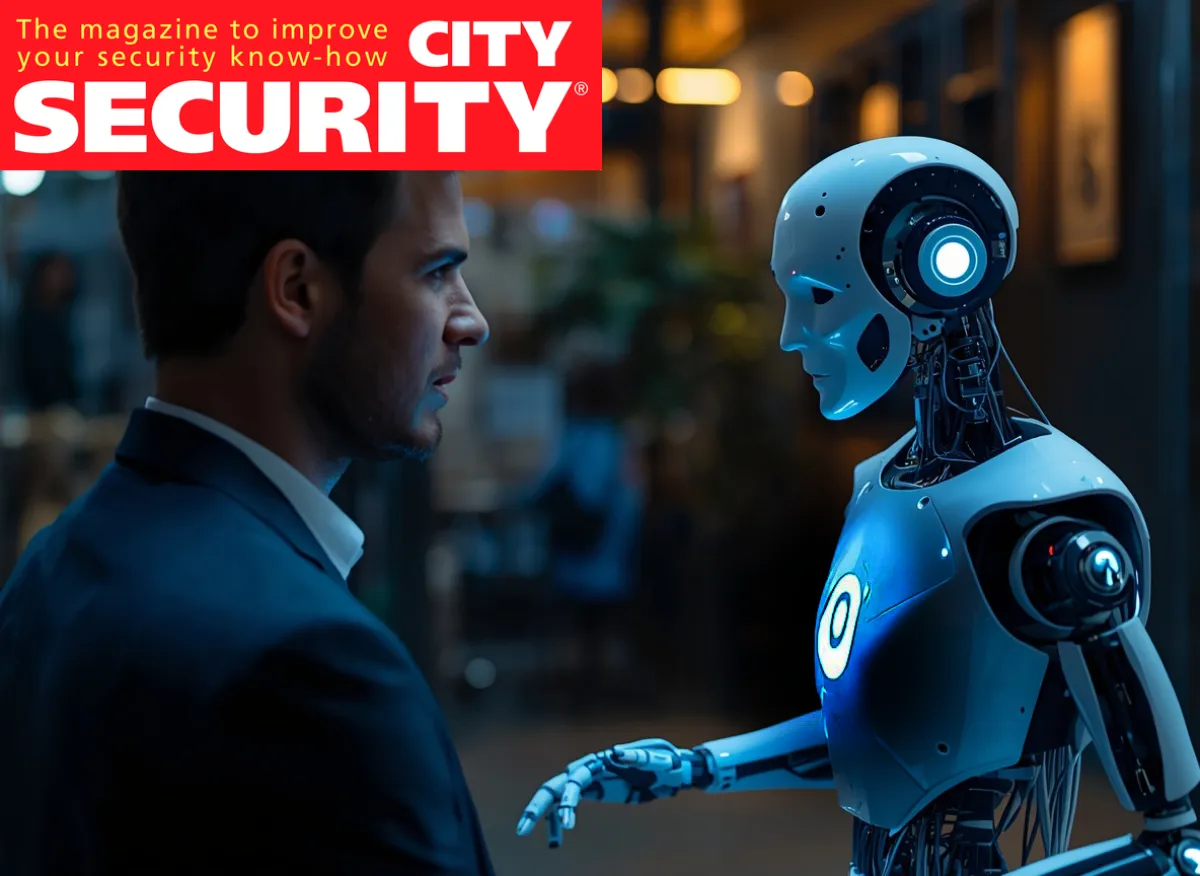
Why Security Staff Need More Than A Chatbot
Nearly four in ten UK security guards show symptoms of post-traumatic stress, according to research from the University of Portsmouth. In the same study, 43% of respondents reported being threatened with violence at least once a month, and more than 30% reported being physically assaulted at work at least once a year.
Around 90% of BSIA member companies employ ex-forces personnel, and there is a clear overlap between combat and workplace trauma. It is often the same wound, in a different uniform.
But where to get help? NHS waiting lists stretch on for months, and many security staff would rather not burden colleagues or family with what they are carrying. Others worry that a formal diagnosis of Post-Traumatic Stress Disorder (PTSD) could affect their career. So a growing number are turning to AI chatbots instead.
The appeal is obvious: available at 3am, free, no appointment needed. But convenience is not the same as care. With PTSD, that gap can be dangerous.
The charity PTSD Resolution has treated more than 5,000 veterans, reservists and family members since 2009, many of them now working in security, through Human Givens therapy delivered by a nationwide network of 200 accredited therapists.
Why a chatbot cannot replace a therapist
An AI chatbot cannot replicate what happens in that room. Human Givens therapy works by finding the specific emotional needs, such as security, control, connection and meaning, that trauma has left unmet, then helping the client rebuild them, without ever requiring them to relive the traumatic event in detail.
A therapist reads a client's tone, their silences, their body language, and adjusts the session accordingly. It's compassionate and confidential. No chatbot can do that. It can offer scripted reassurance and point someone towards a helpline, but it has no clinical oversight, no accountability, and no trained instinct for spotting when someone is at genuine risk.
Security staff face many of the same pressures our veteran clients know only too well: constant vigilance and exposure to aggression. AI has a role to play in signposting people towards support, but it cannot deliver therapy. That takes a trained human being who understands trauma and can adapt to the person in front of them. Charles Highett, CEO of PTSD Resolution
AI is not the enemy here. Used well, it can help someone recognise their symptoms, point them towards the right service, or bridge the gap while they wait for an appointment. But it should lead people into human therapy, not stand in for it, especially for a workforce already carrying more trauma than most.
Support for the security industry
PTSD Resolution is a specialist provider of mental health therapy for the security industry, working with several associations, including ASIS UK, the City Security Council, and the Worshipful Company of Security Professionals.
The charity's regular Trauma Awareness Training and Education (TATE) half-day on line workshops help security managers and HR staff to spot the signs of trauma. Treatment itself is free and confidential for veterans, reservists and their families, with an average wait of just 12 days from referral to first session.
Working with the charity counts towards a company's commitments under the Armed Forces Covenant, supporting staff wellbeing and strengthening the employer's own standing as a forces-friendly business. PTSD Resolution welcomes the opportunity to discuss team support programmes and in-house training.
Patrick Rea is Trustee and Marketing Director at PTSD Resolution.